
Categories
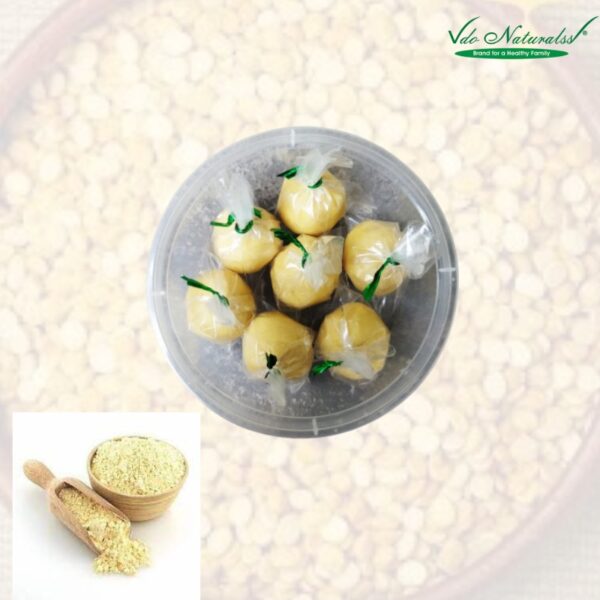 Chettinad Snacks
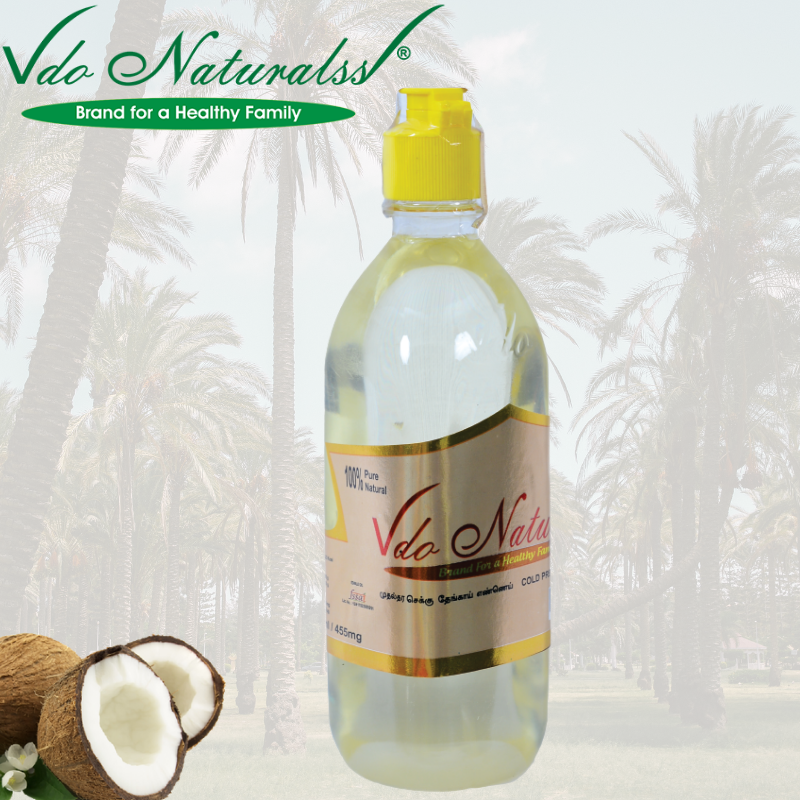 Coconut Oil
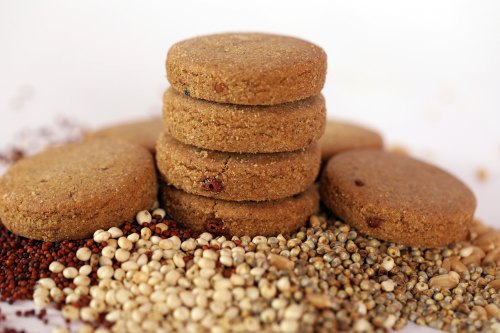 Cookies
 General
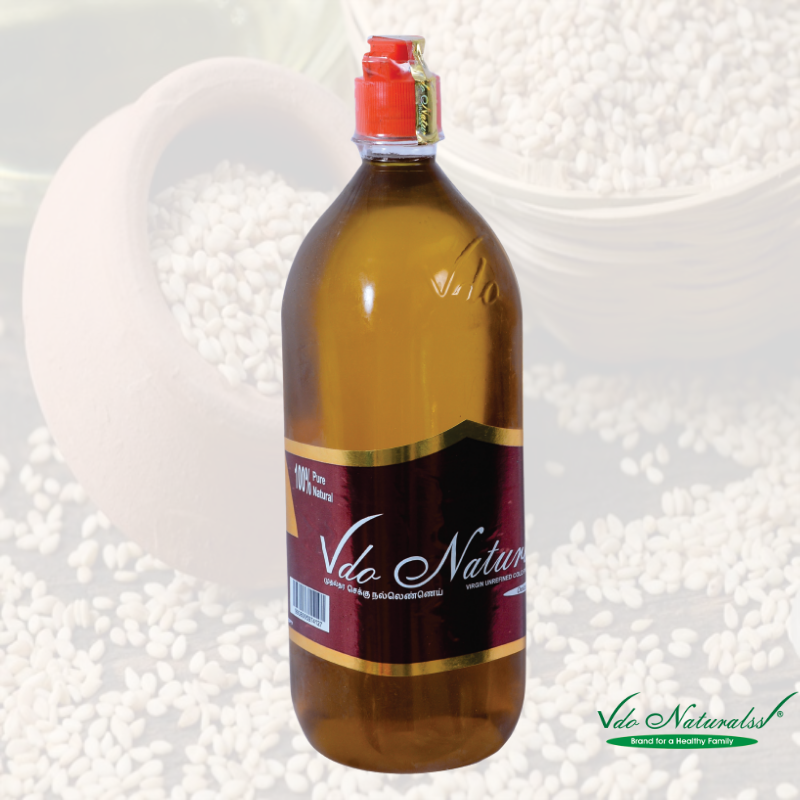 Gingelly Oil
 Groundnut Oil
 Herbal
 Instant Mix
 Karuppatti
 Noodles
 Panchadeepam Oil
 Pongal Mixes
TOP RATED PRODUCTS
-
 DIA CAARE MILLET COOKIES
Original price was: ₹22.00.₹15.00Current price is: ₹15.00.
DIA CAARE MILLET COOKIES
Original price was: ₹22.00.₹15.00Current price is: ₹15.00.
-
 Childrens Choice Millet Cookies - 70gm
Original price was: ₹70.00.₹53.00Current price is: ₹53.00.
Childrens Choice Millet Cookies - 70gm
Original price was: ₹70.00.₹53.00Current price is: ₹53.00.
-
 Dia Caare Millet Cookies 70gm
Original price was: ₹70.00.₹53.00Current price is: ₹53.00.
Dia Caare Millet Cookies 70gm
Original price was: ₹70.00.₹53.00Current price is: ₹53.00.
-
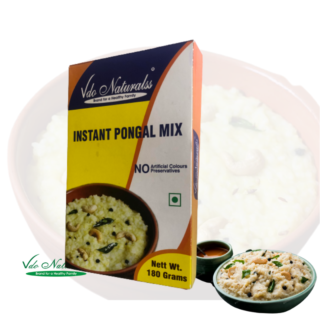 Instant Rice Pongal Mix 180gm
Original price was: ₹75.00.₹58.00Current price is: ₹58.00.
Instant Rice Pongal Mix 180gm
Original price was: ₹75.00.₹58.00Current price is: ₹58.00.
-
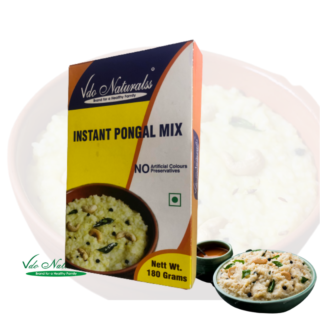 Instant Little Pongal Mix
Original price was: ₹98.00.₹73.00Current price is: ₹73.00.
Instant Little Pongal Mix
Original price was: ₹98.00.₹73.00Current price is: ₹73.00.
CLIENT'S TESTOMONIAL

Varadharajan
Finest quality and wide range of cold pressed oils. Legacy and natural shop. Best place for buying any oil be that cold pressed coconut , groundnut oil. If you compare the oils available with other branded oils in the market, these are economical and of good quality. The groundnut oil sold by the store is one of the best.
Sandeep
Professional and timely handling of orders. Good customer support. Quality of products is good. Am a repeat customer now! Surprised to see negative reviews of customer support. It is after seven months after the above review: I would 100% recommend. It happened so that during my recent order on receipt I found the packaging was open and two 1 ltr coconut oil were missing, it could be during transit. Was stunned with their response and action. Amazing levels of keeping customer happy. Keep up the levels please!
When taking care of children, avoid alcohol. The term “moderate” also may be used differently. Health agencies outside the U.S. may define one drink differently. Knowing your personal risk based on your habits can help you make the best decision for you. People who choose not to drink make that choice for the same reasons. Alcohol misuse over time can lead to pancreatitis, which can impair the production of digestive enzymes and can affect hormones that regulate blood sugar level.
- You’ll soon start receiving the latest Mayo Clinic health information you requested in your inbox.
- Alcohol may also speed HIV progression in people living with the disease, influence their engagement and retention in HIV treatment, and increase their susceptibility to organ damage and coinfections.
- Most birds scoop or draw water into the buccal areas of their bills, raising and tilting their heads back to drink.
- That’s because your body already has processes in place that allow it to store excess proteins, carbohydrates and fats.
Such nuance is rarely captured in broader conversations about alcohol research—or even in observational studies, as researchers don’t always ask about drinking patterns, focusing instead on total consumption. Observational studies can still yield useful information, but they also require researchers to gather data about when and how the alcohol is consumed, since alcohol’s effect on health depends heavily on drinking patterns. And heavy drinking is unequivocally harmful to health. Steatotic liver disease develops in about 90% of people who drink more than 1.5 to 2 ounces of alcohol per day. Binge drinking is behavior that raises blood alcohol levels to 0.08%.
Free Healthbeat Signup
Once you’ve cut back on your drinking (so you’re at or below the recommended guidelines), examine your drinking habits regularly to see if you’re maintaining this level of drinking. Some of these strategies — such as watching for peer pressure, keeping busy, asking for support, being aware of temptation, and being persistent — can also be helpful for people who want to give up alcohol completely. Maybe you feel that you’re drinking too much or too often.
Understanding excessive drinking
Drinking increases the risk of myopathy or muscle wasting. Drinking a lot on a single occasion slows the body’s ability to ward off infections–even up to 24 hours later. Drinking too much – on a single occasion or over time – can take a serious toll on your health. Stay on top of latest health news from Harvard Medical School. 25 Gut Health Hacks is yours absolutely FREE when you sign up to receive health information from Harvard Medical School.
Harmful effects of short-term alcohol use
Heavy drinking, including binge drinking, is a high-risk activity. And drinking raises the risk of problems in the digestive system. As consumption goes up, the risk goes up for these cancers. If you already drink at low levels and continue to drink, risks for these issues appear to be low. For example, it may be used to define the risk of illness or injury based on the number of drinks a person has in a week. Moderate alcohol use may not mean the same thing in research studies or among health agencies.
If alcohol continues to accumulate in your system, it can destroy cells and, eventually, damage your organs. And that’s on top of the toll that alcohol use can take on relationships, not to mention the potential for financial strain and legal troubles. More on alcohol Global strategy to reduce the harmful use of alcohol You’ll soon start receiving the latest Mayo Clinic health information you requested in your inbox.
Mental health
Once you take a drink, your body makes metabolizing alcohol a priority — above processing anything else. Even for people who aren’t particularly heavy drinkers. Cirrhosis, on the other hand, is irreversible and can lead to liver failure and liver cancer, even if you abstain from alcohol. With continued alcohol use, steatotic liver disease can lead to liver fibrosis. When your liver finishes that process, alcohol gets turned into water and carbon dioxide.
Pancreas
But the science isn’t there, in part because critics of the alcohol industry have deliberately engineered a state of ignorance. The NIH found that officials at one of its institutes had solicited funding from alcohol manufacturers, violating federal policy. Alcohol manufacturers have previously expressed some willingness to finance the studies—similar to the way pharmaceutical companies finance most drug testing—but that has often led to criticism.
In the 1980s and 1990s, for instance, alcohol in moderation, and especially red wine, was touted as healthful. To date, federal agencies like the drinking because of boredom National Institutes of Health have shown no interest in exclusively funding these studies on alcohol. Medicine and public health would benefit greatly if better data were available to offer more conclusive guidance about alcohol. Instead, much alcohol research is observational, meaning it follows large groups of drinkers and abstainers over time.
Excessive alcohol use includes:
Your liver detoxifies and removes alcohol from your blood through a process known as oxidation. Dr. Sengupta shares some of the not-so-obvious effects that alcohol has on your body. We talked with hepatologist Shreya Sengupta, MD, about how alcohol use affects your body and your emotional health. But even moderate alcohol use changes the way your body functions.
A daily intake of water is required for the normal physiological functioning of the human body. A persistent desire to drink inordinate quantities of water is a psychological condition termed polydipsia. Methods used in the management of dehydration include assisted drinking or oral rehydration therapy.
Alcohol affects your whole body, from your liver and immune system to your brain and mental health Drinking moderately if you’re otherwise healthy may be a risk you’re willing to take. When it comes to alcohol, if you don’t drink, don’t start for health reasons. In the United States, people younger than age 21 are not legally able to drink alcohol. Heavy drinking also may result in alcohol withdrawal symptoms.
- Canines lap water by scooping it into their mouth with a tongue which has taken the shape of a ladle.
- It’s tempting to assume that because heavy alcohol consumption is very bad, lesser amounts must be at least a little bad.
- Chronic, heavy drinking raises the risk for ischemic heart disease (heart problems caused by narrowed arteries) and myocardial infarction (heart attack).
- Yes, grabbing a few beers or a couple of glasses of wine or cocktails with friends can increase your heart rate — dangerously in some cases
Current research points to health risks even at low amounts of alcohol consumption, regardless of beverage type. The term “drinking” is often used metonymically for the consumption of alcoholic beverages. Evidence-based hydration experts say that the amount of drinking water needed depends on ambient temperature, activity level, body size, and sweat rate. Lack of hydration causes thirst, a desire to drink which is regulated by the hypothalamus in response to subtle changes in the body’s electrolyte levels and blood volume. It’s tempting to assume that because heavy alcohol consumption is very bad, lesser amounts must be at least a little bad. As these examples illustrate, drinking alcohol may raise the risk of some conditions but not others.
Public Health
Excessive drinking can have short-term and long-term health effects. ‘Blackout rage gallons’ can lead to dangerous levels of alcohol consumption “We see lower levels of a specific kind of white blood cells called lymphocytes in people who drink heavily for long periods of time,” Dr. Sengupta reports. But even low amounts of daily drinking and prolonged and heavy use of alcohol can lead to significant problems for your digestive system. In reality, there’s no evidence that drinking beer (or your alcoholic beverages of choice) actually contributes to belly fat.
You can take steps to lower your risk of alcohol-related harms. Excessive drinking can also be deadly. About 178,000 people die from excessive alcohol use each year in the United States.1 Alcohol abuse and the addiction of alcoholism are common maladies in developed countries worldwide. Overhydration sometimes occurs among athletes and outdoor laborers, but it can also be a sign of disease or damage to the hypothalamus.
In some situations, the risk of drinking any amount of alcohol is high. The definition of heavy drinking is based on a person’s sex. For example, any amount of drinking increases the risk of breast cancer and colorectal cancer. In the United States, moderate drinking for healthy adults is different for men and women. The evidence for moderate alcohol use in healthy adults is still being studied. People who are dependent on alcohol, or have other medical or mental health problems, should stop drinking completely.


Leave a Reply