
Categories
 Chettinad Snacks
 Coconut Oil
 Cookies
 General
 Gingelly Oil
 Groundnut Oil
 Herbal
 Instant Mix
 Karuppatti
 Noodles
 Panchadeepam Oil
 Pongal Mixes
TOP RATED PRODUCTS
-
 DIA CAARE MILLET COOKIES
Original price was: ₹22.00.₹15.00Current price is: ₹15.00.
DIA CAARE MILLET COOKIES
Original price was: ₹22.00.₹15.00Current price is: ₹15.00.
-
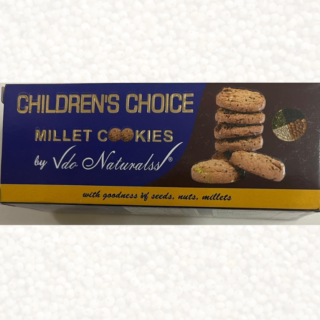 Childrens Choice Millet Cookies - 70gm
Original price was: ₹70.00.₹53.00Current price is: ₹53.00.
Childrens Choice Millet Cookies - 70gm
Original price was: ₹70.00.₹53.00Current price is: ₹53.00.
-
 Dia Caare Millet Cookies 70gm
Original price was: ₹70.00.₹53.00Current price is: ₹53.00.
Dia Caare Millet Cookies 70gm
Original price was: ₹70.00.₹53.00Current price is: ₹53.00.
-
 Instant Rice Pongal Mix 180gm
Original price was: ₹75.00.₹58.00Current price is: ₹58.00.
Instant Rice Pongal Mix 180gm
Original price was: ₹75.00.₹58.00Current price is: ₹58.00.
-
 Instant Little Pongal Mix
Original price was: ₹98.00.₹73.00Current price is: ₹73.00.
Instant Little Pongal Mix
Original price was: ₹98.00.₹73.00Current price is: ₹73.00.
CLIENT'S TESTOMONIAL

Varadharajan
Finest quality and wide range of cold pressed oils. Legacy and natural shop. Best place for buying any oil be that cold pressed coconut , groundnut oil. If you compare the oils available with other branded oils in the market, these are economical and of good quality. The groundnut oil sold by the store is one of the best.
Sandeep
Professional and timely handling of orders. Good customer support. Quality of products is good. Am a repeat customer now! Surprised to see negative reviews of customer support. It is after seven months after the above review: I would 100% recommend. It happened so that during my recent order on receipt I found the packaging was open and two 1 ltr coconut oil were missing, it could be during transit. Was stunned with their response and action. Amazing levels of keeping customer happy. Keep up the levels please!
Cognitive bias in interactive framework architecture
Interactive platforms form everyday interactions of millions of users worldwide. Creators create designs that lead people through complex tasks and choices. Human cognition functions through mental shortcuts that facilitate information processing.
Cognitive bias shapes how individuals understand information, perform selections, and engage with electronic products. Creators must understand these psychological tendencies to create successful interfaces. Identification of tendency helps build systems that facilitate user objectives.
Every button location, color choice, and information arrangement affects user cplay actions. Interface elements activate specific psychological responses that shape decision-making procedures. Current interactive frameworks gather vast amounts of behavioral data. Grasping cognitive tendency allows creators to analyze user actions precisely and develop more seamless experiences. Knowledge of mental tendency acts as basis for building transparent and user-centered electronic solutions.
What mental biases are and why they matter in design
Cognitive tendencies represent systematic patterns of reasoning that diverge from logical reasoning. The human brain handles enormous amounts of information every instant. Cognitive shortcuts help control this mental demand by streamlining complex decisions in cplay.
These thinking patterns develop from developmental adaptations that once secured survival. Tendencies that benefited people well in tangible realm can contribute to suboptimal choices in interactive frameworks.
Developers who ignore mental bias develop interfaces that irritate individuals and produce errors. Understanding these mental patterns permits building of solutions consistent with natural human perception.
Confirmation bias leads individuals to favor information validating existing views. Anchoring bias prompts people to depend heavily on initial piece of information obtained. These patterns affect every aspect of user interaction with digital solutions. Ethical design requires understanding of how interface features affect user perception and conduct patterns.
How users make decisions in digital contexts
Electronic contexts provide users with ongoing streams of options and data. Decision-making procedures in dynamic platforms differ substantially from physical world exchanges.
The decision-making mechanism in digital environments encompasses several separate phases:
- Data acquisition through graphical scanning of design components
- Pattern identification grounded on earlier experiences with comparable offerings
- Analysis of available alternatives against individual objectives
- Selection of operation through clicks, taps, or other input approaches
- Feedback interpretation to verify or revise following choices in cplay casino
Users seldom involve in profound analytical reasoning during interface exchanges. System 1 reasoning controls digital experiences through quick, automatic, and instinctive reactions. This mental approach depends extensively on visual cues and familiar tendencies.
Time urgency amplifies reliance on cognitive shortcuts in electronic settings. Interface architecture either supports or impedes these quick decision-making mechanisms through graphical structure and interaction patterns.
Widespread mental tendencies affecting engagement
Various cognitive biases consistently influence user behavior in interactive systems. Awareness of these tendencies aids designers predict user reactions and build more efficient designs.
The anchoring phenomenon occurs when users rely too heavily on first information shown. Initial values, default configurations, or opening statements unfairly shape following judgments. Users cplay scommesse struggle to adjust adequately from these first baseline points.
Decision surplus paralyzes decision-making when too many alternatives emerge concurrently. Users feel stress when faced with extensive menus or offering listings. Restricting choices frequently boosts user contentment and transformation levels.
The framing phenomenon demonstrates how display format alters perception of same data. Describing a capability as ninety-five percent effective produces different responses than stating five percent failure rate.
Recency bias causes users to overemphasize current experiences when assessing offerings. Current encounters dominate recollection more than overall pattern of interactions.
The purpose of shortcuts in user conduct
Shortcuts serve as mental rules of thumb that allow rapid decision-making without comprehensive examination. Individuals employ these mental shortcuts constantly when exploring dynamic frameworks. These streamlined approaches reduce cognitive effort required for standard activities.
The recognition heuristic guides users toward known choices over unfamiliar choices. Individuals assume recognized brands, symbols, or design patterns offer greater reliability. This cognitive heuristic demonstrates why accepted design conventions surpass creative strategies.
Availability heuristic causes individuals to assess likelihood of incidents grounded on ease of memory. Recent interactions or striking cases unfairly affect danger assessment cplay. The representativeness shortcut directs people to categorize elements based on resemblance to archetypes. Individuals anticipate shopping cart icons to match physical baskets. Variations from these mental frameworks produce disorientation during engagements.
Satisficing describes pattern to select first acceptable alternative rather than optimal choice. This shortcut clarifies why conspicuous position dramatically increases selection frequencies in electronic interfaces.
How design features can amplify or reduce tendency
Interface structure choices immediately affect the strength and direction of mental biases. Deliberate application of visual components and engagement tendencies can either manipulate or mitigate these mental inclinations.
Interface elements that amplify mental tendency comprise:
- Default choices that leverage status quo tendency by making non-action the most straightforward path
- Shortage signals presenting constrained supply to trigger loss resistance
- Social validation features showing user totals to activate bandwagon effect
- Graphical hierarchy highlighting specific options through size or shade
Design approaches that diminish bias and enable reasoned decision-making in cplay casino: impartial showing of alternatives without graphical stress on selected options, complete data presentation facilitating analysis across features, arbitrary arrangement of elements blocking placement bias, transparent tagging of expenses and gains associated with each option, confirmation steps for major choices permitting review. The identical interface feature can fulfill principled or deceptive objectives depending on execution context and developer purpose.
Cases of bias in browsing, forms, and decisions
Navigation systems often leverage primacy effect by locating favored destinations at top of selections. Users excessively choose initial elements irrespective of real relevance. E-commerce websites place high-margin products prominently while concealing economical alternatives.
Form structure utilizes preset tendency through preselected boxes for newsletter registrations or information exchange authorizations. Users accept these presets at substantially higher rates than actively picking identical alternatives. Cost sections illustrate anchoring tendency through deliberate layout of service categories. Premium offerings appear first to set elevated baseline anchors. Mid-tier alternatives look sensible by evaluation even when actually costly. Choice design in selection systems introduces confirmation tendency by displaying findings matching original selections. Individuals view items supporting current beliefs rather than diverse options.
Advancement signals cplay scommesse in sequential workflows leverage commitment bias. Users who invest duration completing first phases feel pressured to finish despite increasing worries. Invested cost misconception keeps users moving onward through extended checkout steps.
Responsible factors in applying cognitive bias
Designers possess substantial authority to influence user behavior through interface choices. This ability raises core issues about control, self-determination, and occupational duty. Understanding of mental tendency establishes ethical duties beyond simple ease-of-use improvement.
Exploitative interface patterns emphasize organizational metrics over user well-being. Dark tendencies deliberately bewilder individuals or trick them into undesired behaviors. These methods generate temporary benefits while weakening trust. Open creation respects user self-determination by rendering results of decisions transparent and reversible. Moral designs provide adequate data for informed decision-making without burdening cognitive limit.
At-risk demographics warrant special defense from bias manipulation. Children, senior individuals, and individuals with cognitive impairments encounter elevated susceptibility to manipulative architecture cplay.
Career codes of behavior progressively handle moral employment of behavioral findings. Field standards stress user benefit as main creation measure. Oversight frameworks currently ban specific dark tendencies and misleading design practices.
Creating for clarity and educated decision-making
Clarity-focused design favors user comprehension over convincing exploitation. Interfaces should present data in formats that support cognitive processing rather than manipulate mental constraints. Open exchange allows users cplay casino to reach choices compatible with individual principles.
Graphical structure steers attention without misrepresenting proportional priority of alternatives. Uniform font design and shade frameworks generate expected tendencies that decrease mental demand. Data architecture structures content logically based on user cognitive models. Simple terminology removes terminology and unnecessary complexity from design text. Brief sentences express individual ideas clearly. Direct voice replaces unclear generalizations that conceal meaning.
Evaluation instruments aid individuals evaluate options across numerous aspects concurrently. Parallel views expose compromises between capabilities and advantages. Consistent measures enable objective analysis. Undoable operations lessen burden on first choices and foster investigation. Reverse capabilities cplay scommesse and easy withdrawal guidelines demonstrate respect for user agency during engagement with intricate systems.


Leave a Reply