
Categories
 Chettinad Snacks
 Coconut Oil
 Cookies
 General
 Gingelly Oil
 Groundnut Oil
 Herbal
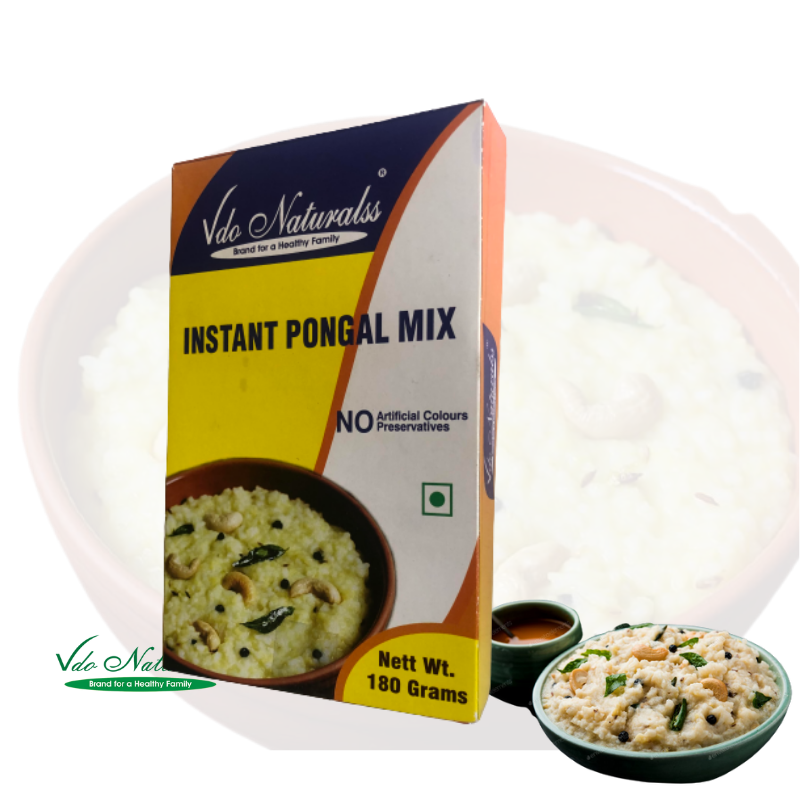 Instant Mix
 Karuppatti
 Noodles
 Panchadeepam Oil
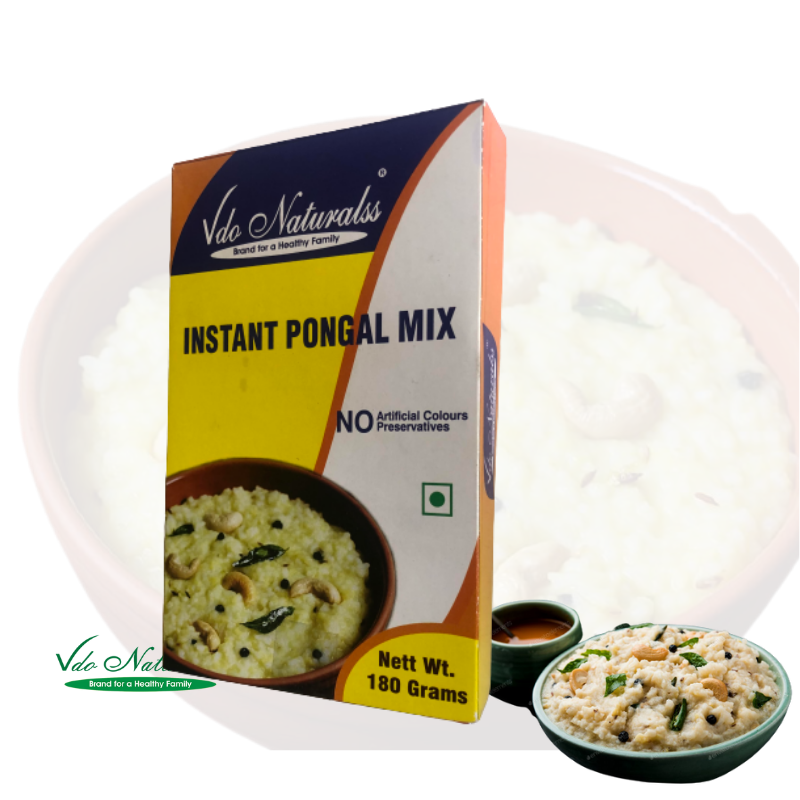 Pongal Mixes
TOP RATED PRODUCTS
-
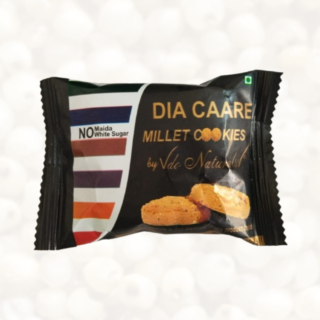 DIA CAARE MILLET COOKIES
Original price was: ₹22.00.₹15.00Current price is: ₹15.00.
DIA CAARE MILLET COOKIES
Original price was: ₹22.00.₹15.00Current price is: ₹15.00.
-
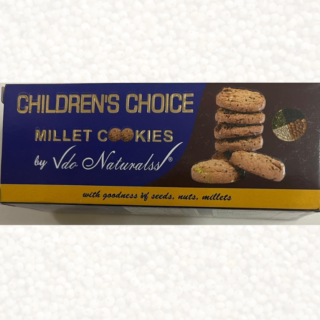 Childrens Choice Millet Cookies - 70gm
Original price was: ₹70.00.₹53.00Current price is: ₹53.00.
Childrens Choice Millet Cookies - 70gm
Original price was: ₹70.00.₹53.00Current price is: ₹53.00.
-
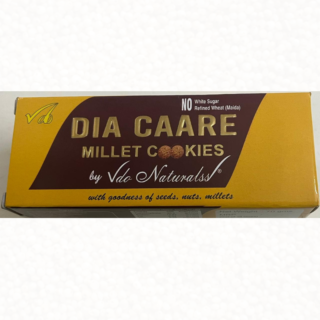 Dia Caare Millet Cookies 70gm
Original price was: ₹70.00.₹53.00Current price is: ₹53.00.
Dia Caare Millet Cookies 70gm
Original price was: ₹70.00.₹53.00Current price is: ₹53.00.
-
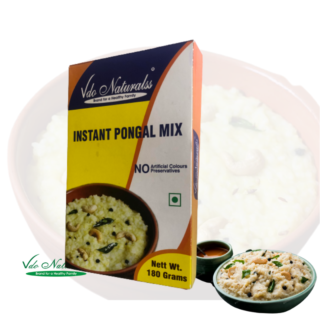 Instant Rice Pongal Mix 180gm
Original price was: ₹75.00.₹58.00Current price is: ₹58.00.
Instant Rice Pongal Mix 180gm
Original price was: ₹75.00.₹58.00Current price is: ₹58.00.
-
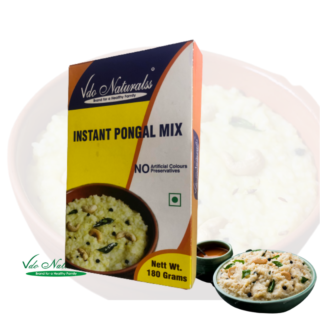 Instant Little Pongal Mix
Original price was: ₹98.00.₹73.00Current price is: ₹73.00.
Instant Little Pongal Mix
Original price was: ₹98.00.₹73.00Current price is: ₹73.00.
CLIENT'S TESTOMONIAL

Varadharajan
Finest quality and wide range of cold pressed oils. Legacy and natural shop. Best place for buying any oil be that cold pressed coconut , groundnut oil. If you compare the oils available with other branded oils in the market, these are economical and of good quality. The groundnut oil sold by the store is one of the best.
Sandeep
Professional and timely handling of orders. Good customer support. Quality of products is good. Am a repeat customer now! Surprised to see negative reviews of customer support. It is after seven months after the above review: I would 100% recommend. It happened so that during my recent order on receipt I found the packaging was open and two 1 ltr coconut oil were missing, it could be during transit. Was stunned with their response and action. Amazing levels of keeping customer happy. Keep up the levels please!
Affective Design Concepts in Interactive Systems
Engaging environments depend on affective design guidelines to create significant connections between individuals and digital products. Emotional design transforms operational interfaces into interactions that align with human sentiments and impulses.
Emotional design concepts direct the creation of systems that initiate certain affective reactions. These concepts enable designers plinko develop environments that feel natural, reliable, and captivating. The method blends aesthetic selections, interaction patterns, and communication strategies to affect user actions.
How first impressions form affective awareness
First impressions develop within milliseconds of meeting an engaging system. Individuals make rapid assessments about reliability, professionalism, and worth founded on first graphical cues. These immediate judgments establish whether users persist investigating or leave the system immediately.
Visual hierarchy sets the groundwork for positive first impressions. Intuitive wayfinding, balanced arrangements, and deliberate spacing communicate organization and proficiency.
- Loading speed impacts emotional perception before users plinko bonus view content
- Uniform branding components establish immediate identification and trust
- Obvious worth propositions answer user concerns within seconds
- Universal design exhibits respect for diverse user needs
Beneficial first interactions establish favorable preference that encourages exploration. Negative first impressions demand significant exertion to counteract and often end in lasting user departure.
The role of graphical design in producing emotional responses
Graphical design serves as the main conduit for affective interaction in interactive platforms. Tones, shapes, and visuals trigger mental reactions that affect user disposition and conduct. Creators plinko select visual elements tactically to provoke certain emotions aligned with system objectives.
Color psychology fulfills a basic function in affective design. Hot hues produce energy and immediacy, while cold blues and greens foster tranquility and credibility. Brands employ coherent hue schemes to establish recognizable affective characteristics. Typography choices express character and voice beyond the written communication. Serif typefaces communicate tradition and trustworthiness, while sans-serif typefaces indicate innovation. Font thickness and scale structure guide attention and establish flow that impacts reading ease.
Visuals transforms theoretical notions into concrete graphical interactions. Photographs of individual faces trigger understanding, while drawings provide adaptability for brand representation.
How microinteractions shape user sentiments
Microinteractions are minor, functional motions and replies that take place during user plinko casino actions. These subtle design elements deliver response, guide conduct, and generate instances of delight. Button motions, loading signals, and hover effects convert automatic operations into emotionally fulfilling encounters. Response microinteractions reassure users that interfaces acknowledge their data. A button that changes hue when clicked verifies action finish. Progress indicators lessen worry during waiting intervals by showing activity condition.
Delightful microinteractions add charm to operational features. A fun motion when finishing a activity recognizes user accomplishment. Smooth transitions between conditions generate graphical flow that feels organic and refined.
Duration and animation level determine microinteraction impact. Organic easing curves mimic real world movement, producing familiar and comfortable engagements that feel reactive.
How feedback systems amplify beneficial emotions
Feedback loops generate sequences of operation and reply that shape user actions through emotional strengthening. Engaging platforms utilize response systems to acknowledge user inputs, recognize accomplishments, and encourage continued involvement. These systems transform isolated actions into ongoing bonds founded on favorable interactions. Direct response in plinko bonus offers instant reward that motivates continuous actions. A like indicator that updates in real-time recognizes content producers with apparent acknowledgment. Quick reactions to user data establish satisfying cause-and-effect relationships that feel gratifying.
Advancement signals create obvious paths toward objectives and honor progressive successes. Finish rates display individuals how close they are to finishing activities. Accomplishment icons indicate checkpoints and supply physical confirmation of success. Communal feedback intensifies affective influence through community approval. Comments, shares, and responses from other users establish membership and acknowledgment. Joint features create collective affective interactions that reinforce platform connection and user commitment.
Why personalization reinforces affective participation
Customization generates distinct interactions adapted to specific user choices, actions, and requirements. Tailored content and interfaces cause individuals feel identified and valued as persons rather than anonymous users. This acknowledgment builds emotional connections that standard interactions cannot accomplish.
Adaptive material distribution responds to user concerns and prior engagements. Suggestion algorithms propose applicable items, posts, or connections founded on viewing history. Personalized homepages display content matched with user priorities. These tailored encounters decrease mental load and show understanding of personal inclinations.
Customization options enable individuals plinko casino to shape their own interactions. Style choosers permit system modifications for graphical convenience. Message settings give command over interaction rate. User authority over customization establishes ownership feelings that strengthen emotional investment in systems.
Situational customization modifies encounters to contextual elements beyond saved preferences. Location-based proposals deliver spatially pertinent information. Device-specific enhancements guarantee stable level across contexts. Smart modification shows systems foresee requirements before users articulate them.
Recognition features acknowledge comeback individuals and remember their experience. Welcome communications using names generate warmth. Retained settings eliminate repetitive operations. These tiny gestures build into considerable emotional bonds over duration.
The impact of mood, wording, and messaging
Tone and communication shape how users perceive interface personality and values. Term selections and expression approach convey affective attitudes that influence user emotions. Consistent communication creates identifiable tone that builds comfort and trust across all contact points.
Conversational tone humanizes digital interactions and reduces perceived gap between individuals and platforms. Warm wording makes complicated procedures feel manageable. Clear wording maintains usability for varied viewers. Failure messages demonstrate interface empathy during annoying instances. Apologetic communication acknowledges user trouble. Straightforward explanations aid individuals plinko understand difficulties. Encouraging communication during breakdowns transforms negative interactions into opportunities for developing trust.
Copy in buttons and labels steers actions while expressing personality. Action-oriented words stimulate participation. Precise descriptions reduce ambiguity. Every word contributes to collective emotional impression that determines user relationship with interface.
Affective prompts that drive user judgments
Emotional prompts are psychological mechanisms that prompt individuals to perform particular behaviors. Dynamic systems deliberately trigger these catalysts to steer judgment and promote preferred behaviors. Grasping emotional motivators assists creators create experiences that align user impulses with system goals.
Rarity and pressure produce anxiety of missing opportunities. Limited-time deals prompt immediate response to avoid disappointment. Low supply indicators communicate restricted entry. Countdown timers increase pressure to determine swiftly.
- Community evidence supports decisions through group conduct and reviews
- Reciprocity promotes response after obtaining complimentary value or helpful material plinko bonus
- Expertise establishes trust through professional endorsements and credentials
- Curiosity propels discovery through intriguing teasers and fragmentary content
Achievement drive prompts involvement through obstacles and incentives. Gamification elements like scores and tiers meet contest-oriented drives. Position indicators recognize successes openly. These mechanisms convert regular operations into affectively rewarding encounters.
When emotional design improves encounter and when it disrupts
Affective design enhances encounter when it assists user objectives and decreases resistance. Deliberate affective elements direct attention, clarify functionality, and create engagements more enjoyable. Balance between emotional appeal and practical utility establishes whether design aids or obstructs user success.
Appropriate affective design matches with context and user objective. Fun motions work effectively in entertainment systems but disrupt in output tools. Coordinating affective level to activity importance generates harmonious experiences.
Excessive affective design inundates individuals and obscures core functionality. Too many movements slow down exchanges and irritate efficiency-focused individuals. Dense graphical styling elevates mental demand and creates wayfinding hard.
Accessibility deteriorates when emotional design favors aesthetics over usability. Animation results plinko casino cause unease for some users. Weak distinction hue schemes reduce clarity. Inclusive emotional design addresses different requirements without losing participation.
How emotional concepts shape enduring user connections
Affective guidelines establish bases for lasting connections between individuals and interactive environments. Uniform affective interactions establish trust and loyalty that stretch beyond isolated engagements. Long-term engagement depends on sustained emotional contentment that changes with user needs over duration.
Confidence develops through dependable affective sequences and expected interactions. Platforms that reliably fulfill on emotional promises create security and assurance. Clear messaging during modifications preserves affective flow.
Emotional investment expands as users collect favorable encounters and personal record with systems. Retained preferences symbolize effort devoted in tailoring. Interpersonal relationships established through systems create emotional anchors that resist changing to alternatives.
Developing emotional design adjusts to shifting user relationships. Orientation encounters plinko highlight discovery for new users. Experienced users obtain efficiency-focused systems that acknowledge their knowledge.
Affective durability during difficulties determines relationship continuation. Understanding assistance during system problems preserves confidence. Transparent apologies show ownership. Recovery interactions that exceed anticipations change errors into loyalty-building occasions.


Leave a Reply