
Categories
 Chettinad Snacks
 Coconut Oil
 Cookies
 General
 Gingelly Oil
 Groundnut Oil
 Herbal
 Instant Mix
 Karuppatti
 Noodles
 Panchadeepam Oil
 Pongal Mixes
TOP RATED PRODUCTS
-
 DIA CAARE MILLET COOKIES
Original price was: ₹22.00.₹15.00Current price is: ₹15.00.
DIA CAARE MILLET COOKIES
Original price was: ₹22.00.₹15.00Current price is: ₹15.00.
-
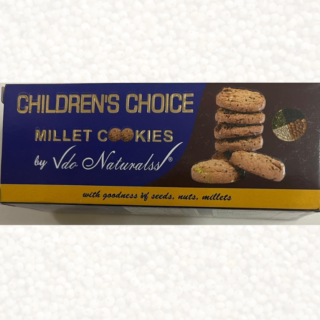 Childrens Choice Millet Cookies - 70gm
Original price was: ₹70.00.₹53.00Current price is: ₹53.00.
Childrens Choice Millet Cookies - 70gm
Original price was: ₹70.00.₹53.00Current price is: ₹53.00.
-
 Dia Caare Millet Cookies 70gm
Original price was: ₹70.00.₹53.00Current price is: ₹53.00.
Dia Caare Millet Cookies 70gm
Original price was: ₹70.00.₹53.00Current price is: ₹53.00.
-
 Instant Rice Pongal Mix 180gm
Original price was: ₹75.00.₹58.00Current price is: ₹58.00.
Instant Rice Pongal Mix 180gm
Original price was: ₹75.00.₹58.00Current price is: ₹58.00.
-
 Instant Little Pongal Mix
Original price was: ₹98.00.₹73.00Current price is: ₹73.00.
Instant Little Pongal Mix
Original price was: ₹98.00.₹73.00Current price is: ₹73.00.
CLIENT'S TESTOMONIAL

Varadharajan
Finest quality and wide range of cold pressed oils. Legacy and natural shop. Best place for buying any oil be that cold pressed coconut , groundnut oil. If you compare the oils available with other branded oils in the market, these are economical and of good quality. The groundnut oil sold by the store is one of the best.
Sandeep
Professional and timely handling of orders. Good customer support. Quality of products is good. Am a repeat customer now! Surprised to see negative reviews of customer support. It is after seven months after the above review: I would 100% recommend. It happened so that during my recent order on receipt I found the packaging was open and two 1 ltr coconut oil were missing, it could be during transit. Was stunned with their response and action. Amazing levels of keeping customer happy. Keep up the levels please!
Cognitive tendency in interactive framework design
Dynamic frameworks shape daily experiences of millions of users worldwide. Creators build designs that direct users through complex operations and decisions. Human perception operates through mental heuristics that facilitate information processing.
Cognitive tendency shapes how individuals understand data, perform selections, and engage with digital solutions. Creators must grasp these psychological tendencies to build successful interfaces. Recognition of bias helps construct frameworks that enable user objectives.
Every element placement, color choice, and content organization impacts user casino online non aams behavior. Interface elements prompt specific psychological responses that influence decision-making processes. Modern dynamic platforms collect vast volumes of behavioral data. Grasping mental tendency enables designers to understand user actions correctly and build more intuitive experiences. Knowledge of mental bias acts as groundwork for creating clear and user-centered digital products.
What mental tendencies are and why they matter in design
Mental tendencies constitute organized tendencies of thinking that deviate from logical logic. The human brain processes massive quantities of data every second. Cognitive heuristics assist control this cognitive burden by reducing complicated decisions in casino non aams.
These reasoning patterns develop from developmental adjustments that once secured continuation. Biases that helped individuals well in material environment can lead to suboptimal decisions in dynamic platforms.
Developers who overlook mental bias build designs that annoy individuals and cause errors. Grasping these mental patterns permits creation of solutions aligned with natural human thinking.
Confirmation tendency directs users to favor data confirming existing beliefs. Anchoring bias leads individuals to depend heavily on first piece of information received. These patterns affect every aspect of user interaction with digital products. Principled development demands understanding of how design elements influence user cognition and conduct patterns.
How users form choices in electronic contexts
Electronic contexts present users with continuous streams of choices and data. Decision-making processes in dynamic frameworks differ significantly from physical realm engagements.
The decision-making mechanism in digital settings involves multiple distinct phases:
- Information collection through graphical examination of interface elements
- Pattern recognition founded on earlier interactions with similar products
- Assessment of available alternatives against individual objectives
- Choice of action through presses, taps, or other input techniques
- Response interpretation to confirm or revise later decisions in casino online non aams
Users infrequently engage in thorough analytical reasoning during interface engagements. System 1 thinking controls digital encounters through fast, automatic, and natural reactions. This mental state relies significantly on graphical signals and familiar patterns.
Time constraint amplifies reliance on mental shortcuts in digital settings. Interface structure either enables or obstructs these rapid decision-making procedures through visual organization and engagement patterns.
Widespread mental tendencies influencing engagement
Multiple cognitive biases consistently affect user conduct in dynamic systems. Recognition of these patterns helps creators foresee user responses and create more effective designs.
The anchoring influence occurs when users rely too excessively on initial information displayed. Initial values, default options, or opening remarks disproportionately influence following assessments. Users migliori casino non aams have difficulty to adjust properly from these first reference points.
Decision surplus freezes decision-making when too many choices emerge simultaneously. Individuals encounter anxiety when confronted with extensive menus or item listings. Restricting choices often boosts user happiness and conversion levels.
The framing effect demonstrates how presentation structure modifies understanding of same data. Characterizing a feature as ninety-five percent effective generates distinct reactions than declaring five percent failure proportion.
Recency tendency causes individuals to overemphasize recent experiences when assessing products. Current engagements overshadow recall more than overall pattern of interactions.
The function of heuristics in user actions
Shortcuts operate as mental rules of thumb that facilitate quick decision-making without comprehensive evaluation. Individuals use these cognitive heuristics continuously when exploring dynamic platforms. These streamlined strategies reduce mental effort required for routine tasks.
The identification heuristic steers individuals toward known choices over unfamiliar alternatives. People assume familiar brands, icons, or design tendencies provide greater reliability. This cognitive shortcut clarifies why established creation conventions exceed creative methods.
Availability heuristic causes individuals to assess likelihood of incidents grounded on ease of recall. Recent interactions or memorable examples disproportionately affect threat assessment casino non aams. The representativeness shortcut directs individuals to group elements grounded on resemblance to archetypes. Users expect shopping cart symbols to resemble material trolleys. Variations from these mental templates generate disorientation during engagements.
Satisficing represents pattern to select first acceptable option rather than ideal selection. This heuristic explains why prominent location substantially increases selection percentages in electronic interfaces.
How interface components can magnify or decrease tendency
Interface architecture choices straightforwardly influence the power and orientation of mental tendencies. Deliberate use of graphical components and interaction tendencies can either exploit or mitigate these cognitive biases.
Architecture features that amplify mental tendency include:
- Standard choices that utilize status quo tendency by making passivity the simplest path
- Scarcity indicators presenting limited accessibility to initiate deprivation reluctance
- Social proof components presenting user counts to trigger bandwagon effect
- Visual structure highlighting particular choices through scale or hue
Design approaches that reduce bias and facilitate reasoned decision-making in casino online non aams: unbiased display of options without graphical emphasis on preferred options, comprehensive data showing allowing analysis across attributes, shuffled arrangement of elements blocking placement tendency, clear labeling of prices and advantages associated with each alternative, confirmation steps for major choices permitting reconsideration. The identical design element can satisfy responsible or manipulative objectives depending on execution environment and designer purpose.
Cases of tendency in navigation, forms, and decisions
Wayfinding systems frequently utilize primacy phenomenon by locating selected targets at summit of menus. Individuals disproportionately pick initial items irrespective of actual pertinence. E-commerce websites place high-margin products visibly while hiding affordable options.
Form structure utilizes standard tendency through preselected checkboxes for newsletter subscriptions or data sharing consents. Users accept these standards at substantially greater rates than deliberately picking same options. Cost pages show anchoring bias through calculated layout of subscription tiers. Elite plans surface initially to create elevated baseline anchors. Mid-tier alternatives appear reasonable by comparison even when objectively pricey. Option architecture in filtering systems establishes confirmation tendency by showing findings corresponding initial preferences. Individuals view products reinforcing current presuppositions rather than varied choices.
Progress indicators migliori casino non aams in staged procedures utilize dedication bias. Individuals who invest duration finishing initial stages feel compelled to finish despite increasing worries. Invested cost fallacy keeps users progressing onward through prolonged payment steps.
Moral issues in using cognitive tendency
Designers wield considerable power to affect user actions through design selections. This ability raises basic concerns about manipulation, autonomy, and occupational responsibility. Awareness of cognitive tendency creates responsible duties exceeding basic ease-of-use enhancement.
Exploitative creation patterns emphasize organizational indicators over user well-being. Dark patterns purposefully mislead users or trick them into unintended behaviors. These techniques produce short-term profits while undermining trust. Clear design values user self-determination by creating consequences of decisions obvious and reversible. Responsible interfaces provide sufficient information for informed decision-making without overwhelming mental capacity.
At-risk demographics deserve particular safeguarding from tendency abuse. Children, senior individuals, and individuals with mental impairments face heightened sensitivity to deceptive architecture casino non aams.
Professional codes of conduct more frequently address ethical use of conduct-related findings. Industry standards highlight user advantage as main creation criterion. Oversight structures currently forbid certain dark tendencies and misleading design methods.
Creating for transparency and educated decision-making
Clarity-focused architecture emphasizes user understanding over influential control. Interfaces should show data in structures that facilitate mental handling rather than exploit cognitive weaknesses. Open communication empowers individuals casino online non aams to reach selections consistent with personal beliefs.
Graphical organization steers focus without distorting proportional importance of alternatives. Uniform text styling and color structures produce expected tendencies that decrease cognitive burden. Information framework arranges information logically grounded on user mental frameworks. Simple wording removes jargon and needless intricacy from design copy. Brief statements convey single ideas clearly. Active voice displaces ambiguous generalizations that conceal meaning.
Evaluation tools assist users assess options across multiple factors together. Parallel presentations reveal exchanges between capabilities and advantages. Standardized indicators facilitate objective evaluation. Reversible actions decrease pressure on initial choices and promote exploration. Reverse capabilities migliori casino non aams and straightforward withdrawal rules illustrate consideration for user autonomy during engagement with complicated platforms.


Leave a Reply