
Categories
 Chettinad Snacks
 Coconut Oil
 Cookies
 General
 Gingelly Oil
 Groundnut Oil
 Herbal
 Instant Mix
 Karuppatti
 Noodles
 Panchadeepam Oil
 Pongal Mixes
TOP RATED PRODUCTS
-
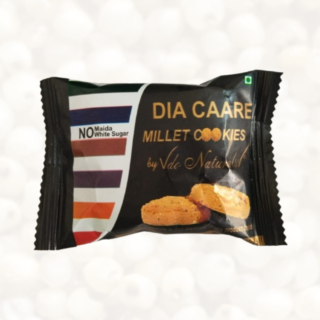 DIA CAARE MILLET COOKIES
Original price was: ₹22.00.₹15.00Current price is: ₹15.00.
DIA CAARE MILLET COOKIES
Original price was: ₹22.00.₹15.00Current price is: ₹15.00.
-
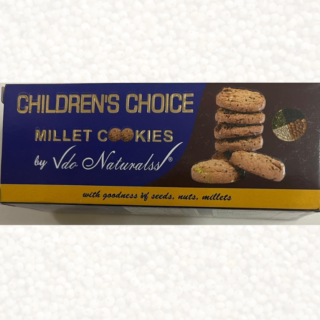 Childrens Choice Millet Cookies - 70gm
Original price was: ₹70.00.₹53.00Current price is: ₹53.00.
Childrens Choice Millet Cookies - 70gm
Original price was: ₹70.00.₹53.00Current price is: ₹53.00.
-
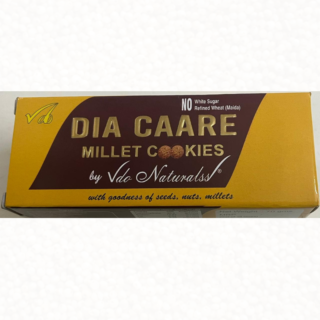 Dia Caare Millet Cookies 70gm
Original price was: ₹70.00.₹53.00Current price is: ₹53.00.
Dia Caare Millet Cookies 70gm
Original price was: ₹70.00.₹53.00Current price is: ₹53.00.
-
 Instant Rice Pongal Mix 180gm
Original price was: ₹75.00.₹58.00Current price is: ₹58.00.
Instant Rice Pongal Mix 180gm
Original price was: ₹75.00.₹58.00Current price is: ₹58.00.
-
 Instant Little Pongal Mix
Original price was: ₹98.00.₹73.00Current price is: ₹73.00.
Instant Little Pongal Mix
Original price was: ₹98.00.₹73.00Current price is: ₹73.00.
CLIENT'S TESTOMONIAL

Varadharajan
Finest quality and wide range of cold pressed oils. Legacy and natural shop. Best place for buying any oil be that cold pressed coconut , groundnut oil. If you compare the oils available with other branded oils in the market, these are economical and of good quality. The groundnut oil sold by the store is one of the best.
Sandeep
Professional and timely handling of orders. Good customer support. Quality of products is good. Am a repeat customer now! Surprised to see negative reviews of customer support. It is after seven months after the above review: I would 100% recommend. It happened so that during my recent order on receipt I found the packaging was open and two 1 ltr coconut oil were missing, it could be during transit. Was stunned with their response and action. Amazing levels of keeping customer happy. Keep up the levels please!
How App Interfaces Improve User Flow
When we talk about what separates an outstanding casino app from a mediocre one, the user interface often doesn’t get the credit it deserves. Yet it’s precisely how an app guides us through the experience, the flow, that determines whether we enjoy our time or get frustrated before we’ve even placed a bet. A well-designed interface doesn’t just look good: it removes invisible barriers, anticipates our needs, and makes every interaction feel intuitive. In this text, we’ll explore how modern app interfaces improve user flow, transforming casual browsing into seamless gameplay and ensuring you spend more time enjoying your favourite games rather than wrestling with confusing menus.
Streamlining Navigation Patterns
Navigation is the backbone of any user experience. When we design casino apps, we’ve learned that players want to find what they’re looking for in as few taps as possible.
The best apps utilise a bottom tab navigation system that groups related features logically:
- Home – Quick access to featured games and promotional offers
- Games – Organised by category (slots, table games, live dealers)
- Account – Deposits, withdrawals, and personal settings
- Support – Help articles and live chat options
This structure mirrors how mobile users naturally behave. Instead of burrowing through complex menus, we place essential functions within reach. We’ve observed that apps using this approach see significantly higher engagement rates because players spend less cognitive energy navigating and more time actually playing.
Consider how breadcrumb trails or “back” buttons work in premium casino apps. They don’t just sit there invisibly, they’re prominent, easily tappable, and they tell users exactly where they are in the journey. This contextual awareness reduces friction. When a player opens a game lobby, they know one tap gets them back to the home screen. That certainty matters more than you’d think.
Simplifying The Player Experience
Simplification is where great interface design truly shines. We’ve learned that every extra step between a player and the action is a potential dropout point.
Take registration as an example. Traditional casino websites often ask for 15+ fields of information. Modern apps trim this down ruthlessly. We now prioritise:
- Email address (or phone number)
- Password creation
- Age verification
- Terms acceptance
Everything else can wait until later. This “lean onboarding” approach means new users can fund their account and start playing within 90 seconds. Compare this to clunky interfaces that demand full personal details upfront, you’ll immediately see why modern design converts better.
We’ve also streamlined the deposit process. Rather than navigating through payment gateway options, players now see a single, pre-selected recommended method based on their location and previous behaviour. Payment forms auto-fill what they can. Confirmation messages appear instantly. These small touches compound into a dramatically smoother experience. At winthere casino, for instance, the checkout process is so lean that most deposits take fewer than 30 seconds.
Visual Hierarchy And Information Design
Visual hierarchy tells us what matters at a glance. Without it, every element screams for attention equally, and nothing gets noticed.
We use hierarchy strategically in casino apps:
| Current balance | Critical reference point | Large, bold text, prominent placement |
| Active promotion | Time-sensitive value | Contrasting colour, icon badge |
| Primary CTA button | Next intended action | Saturated colour, large touch target |
| Secondary information | Contextual details | Smaller type, neutral colour |
Size, colour, and positioning work together. We make the “Play Now” button unmissable whilst tucking bonus terms in smaller text below. This isn’t deception, it’s respecting that players want immediate access to action, not a wall of fine print blocking their way.
We also use whitespace deliberately. Cramming every pixel full of content creates cognitive overload. Modern apps breathe. There’s space between buttons, margins around text, and negative space that lets the eye rest. This isn’t wasteful, it’s what makes interfaces feel premium and intentional rather than cluttered and overwhelming.
Responsive Design For Mobile Platforms
Most UK casino players access apps on smartphones, yet many interfaces are still designed for larger screens and then squeezed down. We’ve shifted our approach entirely.
Responsive design now means we build for mobile first, then scale up. This fundamentally changes how we structure layouts:
- Touch targets are minimum 44 × 44 pixels, large enough to tap accurately without fat-fingering
- Text sizes adapt fluidly: we never force horizontal scrolling on content
- Images load quickly by compressing intelligently for device capability
- Orientation changes (portrait to landscape) preserve context without losing data
On a small screen, we prioritise ruthlessly. A game lobby might show 8 titles on a phone versus 20 on a tablet, but each one is presented beautifully, never cramped. We also consider thumb reach. The most frequently used buttons live in the lower half of the screen where thumbs naturally rest.
Connection speed matters too. We’ve designed for 4G and 3G networks, not just WiFi. Images load progressively. Essential content appears first: decorative elements load second. This means a player with a weak signal can still fund their account and launch a game without endless loading screens frustrating them.
Reducing Friction In Key User Journeys
Friction is anywhere the app asks something of the user without immediate payoff. We’ve spent considerable effort identifying and removing it.
One classic friction point: verifying identity before first withdrawal. It’s necessary, but old interfaces made it painful. Now, we’ve simplified it:
- Players upload a document (passport, driving licence) directly from their phone camera
- Our system reads key data automatically, no manual typing
- Verification completes in minutes, not hours
- Users get instant feedback on status
Another critical journey: re-engaging lapsed players. We send notifications, but poorly designed apps bury the offer behind confusing promotional terms. Good interfaces make it obvious: tap the notification, see the bonus clearly displayed, claim it with one action. Done.
We also eliminate confirmation fatigue. Every dialogue box, every “Are you sure?” popup is interrogated. Does the user actually need this friction, or are we just protecting ourselves? In most cases, we can design around it. A swipe-to-confirm gesture replaces a dialogue. Auto-populated defaults replace multi-step forms. The app trusts users more, and users reward that trust with loyalty.
Testing reveals something powerful: when we remove friction, engagement increases dramatically. Players who would have abandoned at a slow deposit screen now complete the action. Those frustrated by poor game search now browse longer. The interface improvement directly translates to measurable behaviour change because we’ve respected the user’s time and attention.


Leave a Reply